
Breaking the Barrier: How to Reach (and Book) the Clients Who Are Too Afraid to Start
In the quiet hours at the studio, we often talk about the clients we didn't book. We look at the analytics, the hundreds of visitors who click on the "Investment" page, linger for three minutes, and then vanish without ever touching the contact form. For years, the industry narrative has been that these people "couldn't afford us" or "weren't our target audience."
But the data tells a different, more human story. As we explored in our recent market deep dive, the North Carolina photography market isn't just made up of eager brides and confident CEOs. It is largely composed of the "Silent Majority", the 77% of people who identify as camera-shy and the 65% who find a photoshoot more nerve-wracking than a high-stakes job interview.
These aren't "unqualified leads." They are people waiting for a photographer who speaks the language of safety. If you want to tap into this hidden market in the Raleigh-Wilmington-Greenville corridor, you have to stop marketing to the camera-confident and start building a bridge for the hesitant.
The "Inoculation" Technique: Addressing the Elephant in the Room
Most marketing copy is aspirational. It promises "timeless memories" and "stunning portraits." While beautiful, this language can actually increase anxiety for a client who is worried about their double chin, their hands, or their perceived lack of grace.
The Inoculation Technique involves proactively addressing these fears in your marketing copy before the client even has to ask. It’s about being the first to say, "I know you're worried about your arms," or "I know you think you’re unphotogenic."
How to apply it: Create a "Common Fears" section on your website. Don't hide it in the FAQ; put it on the front page. Use plain language: "I hate my smile," "I don't know what to do with my hands," or "I’ve gained weight recently."
The Result: By naming the fear, you strip it of its power. You signal that you aren't just a technician with a camera, but a partner who sees them.
Cognitive Empathy: Explaining the How, Not Just the Wow
We often tell clients, "Don't worry, I'll make you look good." To an anxious person, this sounds like a platitude: or worse, a lie. Cognitive empathy moves beyond "trust me" and explains the technical and psychological why behind the results.
At Von Creative, we designed our 2,000-square-foot space specifically to facilitate this. Our 40-foot wide shooting area isn't just about "massive space"; it’s about reducing lens distortion and giving clients physical breathing room, which lowers cortisol levels.
Use technical "safety" as a selling point: Explain that you use specific focal lengths to flatter the face. Mention that your lighting is "soft-wrapped" to minimize skin texture.
The "Guided" Promise: Instead of saying you "pose" people, tell them you use conversational posing. Explain that you’ll be talking the whole time, giving them something to focus on other than the lens.
Assertive, Simple Messaging: Reducing the "Booking Tax"
Anxiety is a heavy cognitive load. When a person is already nervous about the act of being photographed, a complex booking process can be the final barrier that makes them close the tab. This is known as "Booking Anxiety."
If your website requires five clicks to find a price, or if your contact form asks twenty questions, you are taxing an already drained client.
Simplify the path: Use clear, assertive calls to action. Instead of "Inquire for custom tailoring," use "Book Your Discovery Chat."
Price Transparency: While the "luxury" model often hides prices, the "safety" model reveals them. For an anxious client, knowing exactly what they will pay (and what they will get) provides a sense of control in an uncontrollable situation.
Branding as the Specialist for the "Unphotogenic"
In a saturated North Carolina market, everyone is a "Luxury Wedding Photographer" or a "Natural Light Specialist." There is massive, untapped power in being the "Specialist for People Who Hate Being Photographed."
This isn't a downgrade in your brand; it’s a sharpening of your focus. When you position yourself as the expert in camera-shyness, you stop competing on price and start competing on relief.
The Tagline Shift: Imagine your bio reading: "Serving North Carolina's most camera-shy humans since 2018." That immediately resonates with the 77% who feel invisible in traditional photography marketing.
Warmth vs. Competence: The Psychological First Impression
In social psychology, we judge people on two scales: warmth and competence. Most photographers lead with competence: showing off their sharpest images, their biggest awards, and their high-end gear like the professional digital cameras we provide at our studio.

However, for a nervous client, warmth must come first. They need to know you are kind before they care that you are good.
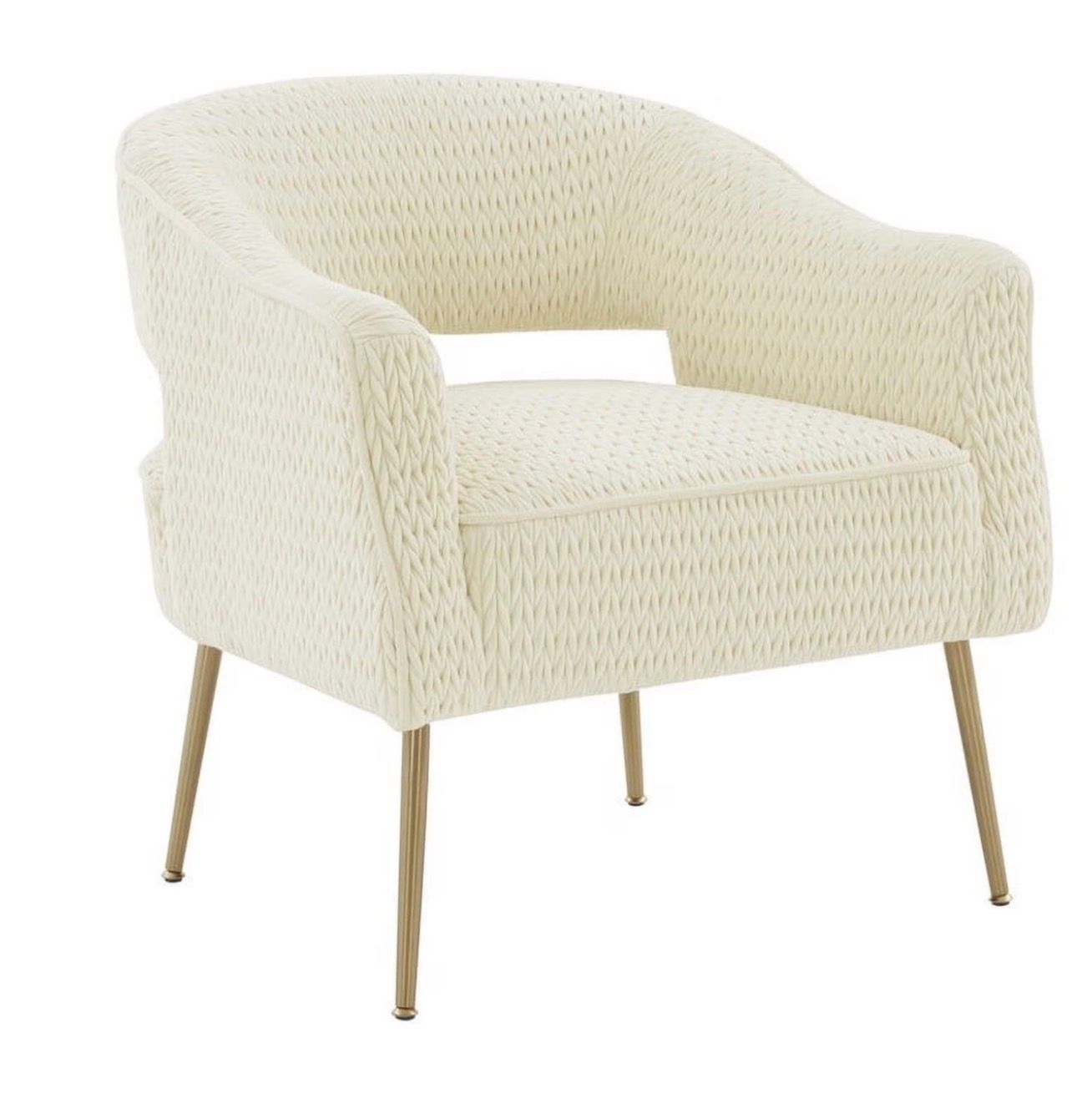
Visual Warmth: Use brand imagery that shows you in the studio, perhaps sitting in a Modern Cream Armchair, holding a mug, looking approachable.
Voice: Use a "Studio Journal" tone. Write like you’re sitting across from them at our beverage station. Avoid industry jargon and "marketing speak."
PR and Social Proof: The "Security Blanket" Testimonials
Standard testimonials say, "The photos are beautiful!"
"Anxiety-focused" testimonials say, "I was crying in the car before the session, but by the end, I didn't want to leave."
The most powerful tool for reaching the hesitant is social proof that specifically references the experience of the shoot, not just the final product.
Ask for the 'Before': When asking for reviews, prompt your clients: "How did you feel before you arrived, and how did that change during our time together?"
Feature the Nervous: Highlight stories of clients who were terrified. When a potential lead sees someone "just like them" succeeding, the barrier to booking drops significantly.
From "Photoshoot" to "Play-Date"
The word "shoot" carries a heavy, performance-based weight. It implies a "one-and-done" high-stakes event. To reach the hesitant, we need to reframe the session as a low-pressure experience: a "content day" or a creative exploration.
At Von Creative, we host events like The Creative Exchange to help bridge this gap. It’s not a formal shoot; it’s a co-working day where photography happens naturally. This "low-stakes" entry point is often how we see the most nervous creators finally get comfortable in front of the lens.
Offer a "Soft Entry": Can you offer a 15-minute "meet the studio" consultation where no photos are taken?
The Environment Matters: A studio that feels like a home: with a baby changing station, a stocked beverage bar, and curated props: signals that the client's comfort is the priority, not just the "shot."

A Recap of the Strategy
Reaching the hesitant client isn't about being a better photographer; it's about being a better host. By shifting your business operations to prioritize psychological safety, you unlock a market that your competitors are actively ignoring.
Proactively address fears using the Inoculation Technique.
Explain the "How" through cognitive empathy and technical transparency.
Simplify the booking process to reduce cognitive load.
Lead with warmth in your brand imagery and voice.
Reframe the experience from a high-stakes "shoot" to a low-pressure "play-date."
Let’s Build a Safer Industry Together
The North Carolina creative community is at its best when we are inclusive: not just of different styles, but of different comfort levels. If you’re ready to level up your client experience, come hang out with us at Von Creative. Whether you’re attending a lighting workshop or booking the studio for your first "anxiety-friendly" branding session, we’re here to provide the elevated, supportive environment you and your clients deserve.
Ready to see the space for yourself?
Book a Studio Tour or Reserve Your Session Today.